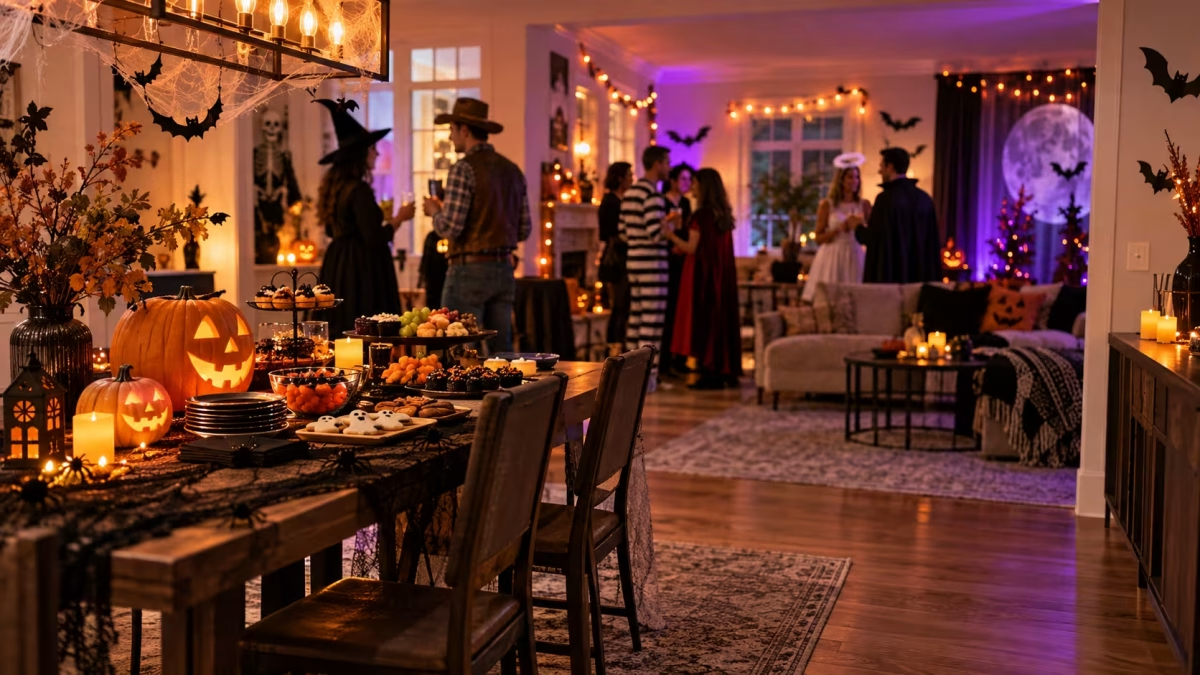
Planning a Halloween party is easier when you treat it as a sequence of small decisions instead of trying to decorate, cook, and entertain everyone at once. Begin with the guests and available space, then build a theme, activities, food, and decorations around them.
This guide walks through the process in order, whether you are arranging a family gathering, an adults-only evening, or a neighborhood party with guests moving between the house and yard.
HalloweenExplorer may earn a commission from qualifying purchases made through links on this page, at no additional cost to you.
1. Decide Who the Party Is For
The guest list affects almost every later decision. A party for younger children needs an earlier start, short activities, familiar food, and decorations that are spooky without being overwhelming. Teenagers may enjoy games, photo areas, and a slightly darker atmosphere. An adult gathering can place more emphasis on food, conversation, music, and elaborate costumes.
Estimate how many people can comfortably use the available rooms. Do not plan around the maximum number you could physically fit inside. Guests need space to remove coats, reach refreshments, sit occasionally, and move without brushing against props or electrical cords.
If children will attend, ask adults to remain responsible for their own children unless you have specifically arranged supervision.
2. Choose One Clear Theme
A theme gives you a filter for deciding what to buy, make, or leave out. It does not need to be complicated. A haunted house, classic monsters, witches’ gathering, pumpkin party, gothic dinner, or family costume night is enough to coordinate the invitation, colors, music, and main decorations.
Choose two or three colors and repeat them across the party area. Orange and purple feel playful, while green and violet lighting can create a laboratory effect. Black, cream, and deep red work well for a more formal setting.
Before shopping, list what you already own. Reusing lights, fabric, serving trays, jars, and outdoor decorations helps preserve the budget for the parts guests will notice most.
3. Set the Date, Time, and Budget
Halloween weekend fills quickly, so send invitations early when possible. Include the start and end time, address, costume expectations, whether children are invited, and anything guests should bring. Mention outdoor portions of the event so guests can dress for the weather.
Divide the budget into four categories:
- Food and drinks
- Decorations and lighting
- Games or entertainment
- Disposable supplies and last-minute needs
Choose one category as the priority. A themed dinner needs a larger food budget, while a walkthrough haunt may direct more money toward lighting and scenery. Avoid spreading the budget across many small novelty items that do not contribute to the main experience.
4. Plan the Party as Separate Areas
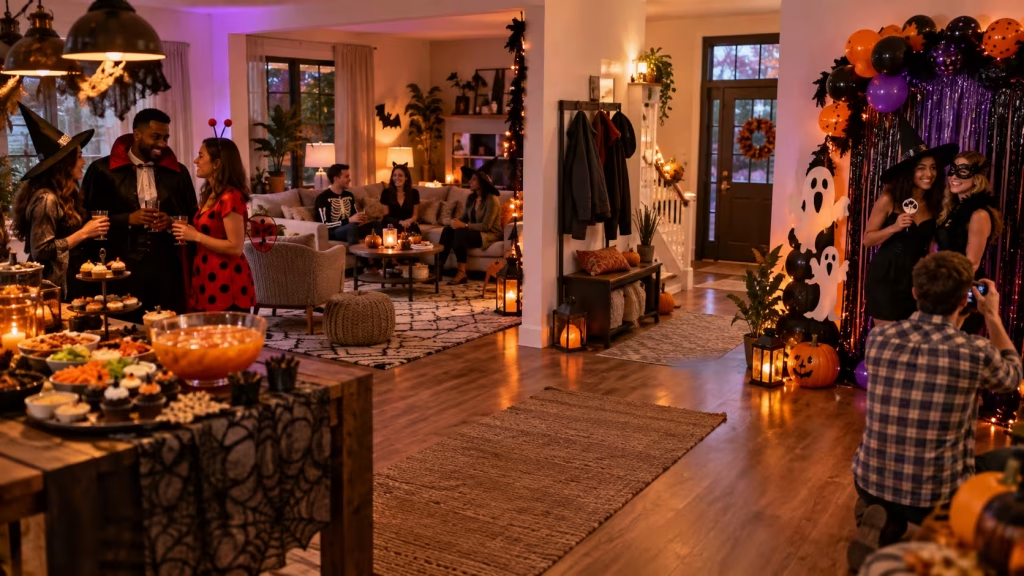
Give each part of the home a purpose. A simple layout might include an arrival area, a decorated gathering space, a food and drink station, an activity area, and a quieter place to sit. Separating these functions prevents guests from gathering in one doorway or crowding around a single table.
Use the entrance to establish the theme, but keep it easy to navigate. Our guide to creating a Halloween home haunt explains how to plan a route, focal scenes, sound, and pacing when you want the party to include a more theatrical experience.
Keep private rooms closed and move fragile or valuable objects before decorating. Confirm that guests can easily find the restroom and the main exit without passing through a deliberately dark scene.
5. Decorate in Layers
Start with the room rather than individual props. Dim the ordinary overhead lighting, establish the main colors, and create one focal point such as a decorated fireplace, dining table, window projection, or photo backdrop. Add smaller objects only after the larger scene works.
Height makes a display more interesting. Place some decorations near the floor, others at table level, and lightweight items overhead where they cannot fall or obstruct movement. Leave undecorated space between scenes so guests can recognize each idea.
If the event extends outside, the outdoor Halloween decoration ideas can help coordinate pumpkins, ghosts, tombstones, and skeletons. Secure anything exposed to autumn weather by following the guide to protecting Halloween decorations from wind and rain.
6. Use Lighting, Sound, and Fog Carefully
Lighting often changes a room more effectively than adding another pile of props. Use one type of light to establish the general color and another to highlight the main scene. The guide to Halloween lights for indoor and outdoor decorating covers string lights, spotlights, pathway lights, black lights, and timers.
Create a music playlist that fits the guests and begin it before anyone arrives. Keep the volume low enough for conversation, particularly near the food area. Directional sound effects work better as accents near a specific scene than as continuous noise throughout the house.
Fog can reveal colored beams and give a room or yard a theatrical look, but more fog is not always better. Keep exits and walking surfaces visible, consider guests who may be sensitive to atmospheric effects, and follow the machine and fluid manufacturers’ instructions. The Halloween fog-machine guide explains output sizes and low-lying effects.
7. Keep the Menu Manageable
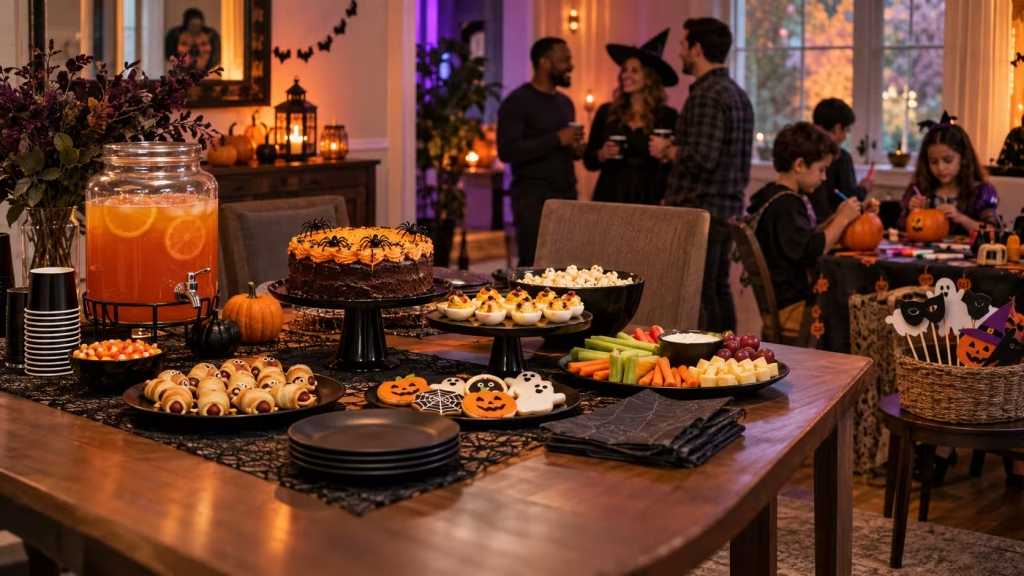
Choose food that can be prepared ahead and eaten without complicated serving instructions. A balanced menu might include one substantial dish, two or three simple sides, finger foods, a dessert, and both alcoholic and nonalcoholic drinks when appropriate.
Ordinary food can fit the theme through presentation. Use descriptive labels, dark serving dishes, shaped garnishes, or one decorated dessert rather than turning every item into an elaborate craft project. Label common allergens and keep serving utensils with their intended dishes.
Set up drinks away from the busiest food station to reduce congestion. Put napkins, plates, cups, and trash containers where guests can see them without asking.
Do not let perishable food remain at room temperature all evening. FoodSafety.gov advises keeping hot foods at 140°F or warmer and cold foods at 40°F or colder. Perishable items that are not temperature-controlled should generally be refrigerated or discarded within two hours. See the government’s food-safety guidance for serving groups for more details.
8. Choose Two or Three Activities
Not every minute needs to be scheduled. Select a few activities that guests can understand quickly and join without stopping the entire party.
Options include:
- A costume parade or informal costume awards
- A Halloween trivia round
- A pumpkin-decorating table
- A mystery-box guessing game
- A scavenger hunt with age-appropriate clues
- A photo area with a stable backdrop and a few props
For mixed-age parties, provide at least one activity that does not depend on being frightened. Avoid games that require guests wearing masks or restrictive costumes to run through dark rooms.
9. Plan Costumes for Comfort and Visibility
Tell guests whether costumes are optional, encouraged, or connected to the theme. Hosts should choose costumes that still allow them to carry food, answer the door, and respond to spills or other problems.
Children and adults need clear vision and secure footwear, especially if the party moves outdoors. Long fabric, rigid masks, oversized accessories, and dark clothing can create problems around stairs, candles, cords, and crowded rooms. The guide to choosing a comfortable and safe Halloween costume provides a practical fitting checklist.
10. Check the Party Route for Hazards
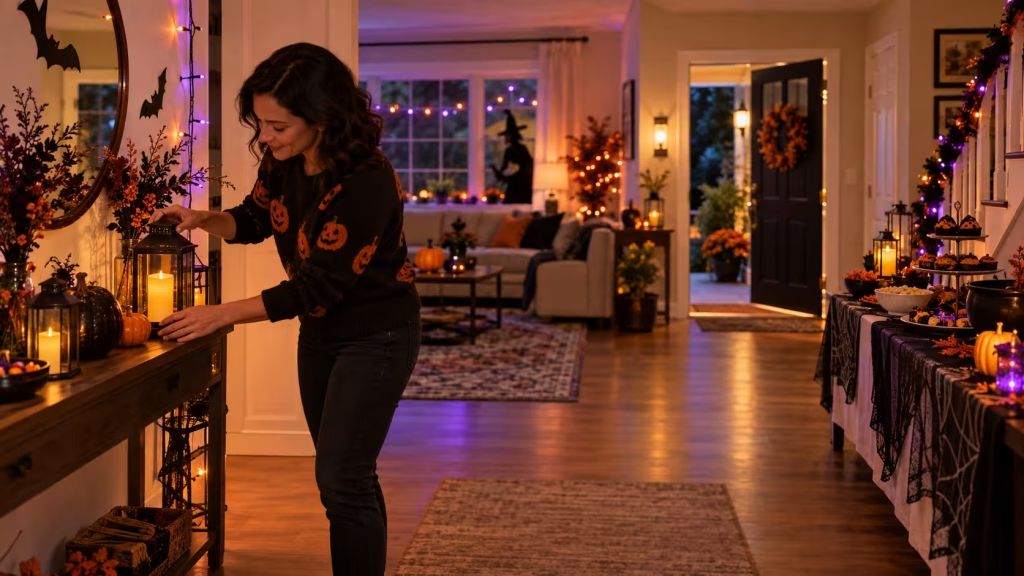
Walk through the space at the same lighting level guests will experience. Remove loose rugs, unstable decorations, sharp props, low cords, and anything that narrows an exit. Keep stairs, changes in floor level, and outdoor walking routes visible.
Use battery-operated candles where guests, costumes, paper decorations, or pets could reach them. Only use electrical decorations, extension cords, and power accessories in locations for which they are rated. Do not place cords under rugs or across doorways, and do not overload outlets.
Keep pets in a comfortable secure room if the doorbell, costumes, noise, or unfamiliar guests may cause stress. Also place medications, alcohol, matches, and breakable decorations where children cannot reach them.
Halloween Party Timeline
One to Two Weeks Before
- Confirm the guest list and party theme.
- Plan the menu and activities.
- Test lights, speakers, projectors, and powered decorations.
- Purchase nonperishable food and basic supplies.
- Prepare decorations that do not interfere with daily use of the house.
The Day Before
- Complete most decorating and food preparation.
- Chill drinks and make refrigerator space.
- Set out serving dishes and label their intended contents.
- Charge batteries and create a backup music option.
- Check the weather if any part of the party is outside.
Two Hours Before Guests Arrive
- Clear and illuminate the entrance.
- Put away tools, packaging, and unused decorations.
- Test the full lighting and sound setup.
- Set out shelf-stable food and prepare temperature control for other dishes.
- Walk the guest route once more and keep all exits unobstructed.
Optional Halloween Party Supplies
You do not need a separate product for every part of the party. If you still need coordinated tableware, favor bags, simple decorations, or activity supplies, compare package quantities with the confirmed guest count before ordering.
Final Planning Advice
A successful Halloween party does not require every room to become a different attraction. Give guests a clear arrival, one memorable focal area, accessible food and drinks, a few optional activities, and enough light to move comfortably.
Finish the important preparation before party day, then stop adding new ideas. A host who can welcome guests and enjoy the event contributes more to the atmosphere than one last decoration.