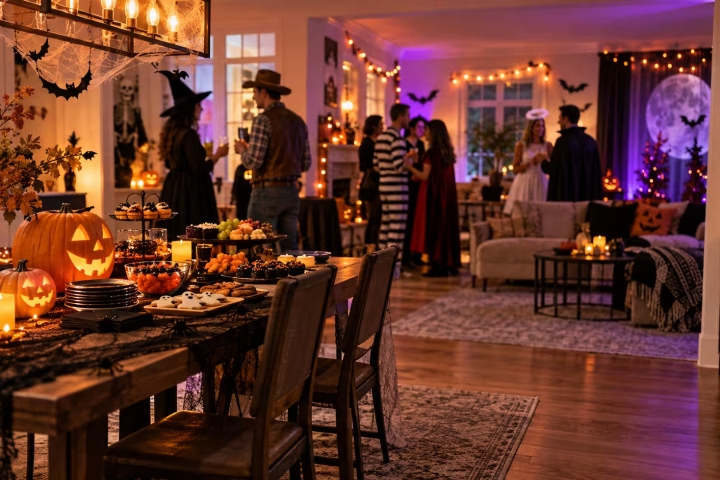
A Halloween party is easier to enjoy when guests have something to do besides eat and admire the decorations. The right games help people start conversations, give children a place to direct their energy, and keep the event moving when attention begins to fade.
You do not need an elaborate schedule or expensive equipment. Choose three or four activities that suit the guests, prepare the supplies before anyone arrives, and leave time for food, costumes, and casual conversation. The ideas below include active games, quieter challenges, and flexible activities for mixed-age groups.
Choose Games That Fit the Guests and Space
Begin with the youngest guest, the available room, and the amount of supervision you can provide. Preschoolers usually do better with short games that have simple rules and frequent turns. Older children can manage team challenges, while teenagers and adults may prefer trivia, mysteries, or games that allow conversation.
Avoid filling every minute. For a two- or three-hour party, one opening activity, two main games, and an optional quiet activity are usually enough. If you are still organizing the event, our guide to planning a Halloween party at home covers invitations, food, decorations, timing, and cleanup.
Clear the play area before the party. Move breakable decorations, secure cords, keep stairs and exits unobstructed, and avoid running games near candles or hot serving dishes. Costumes should also allow guests to see and move comfortably; review our Halloween costume comfort and safety guide before choosing active activities.
1. Pumpkin Bowling
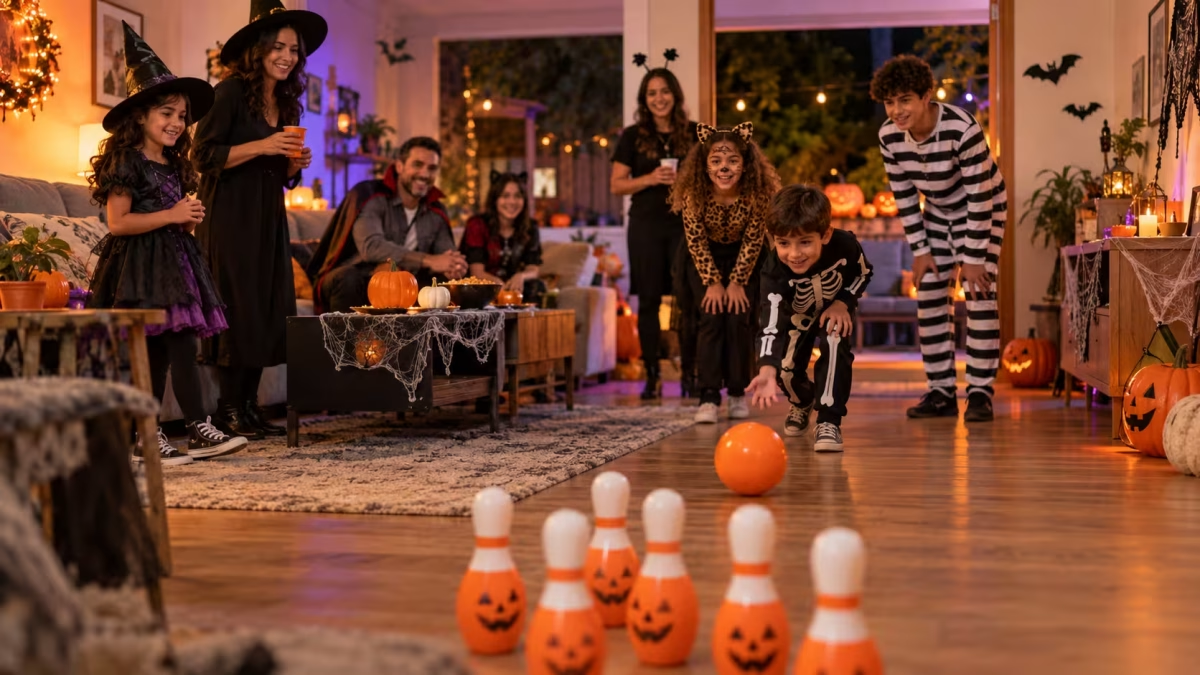
Arrange six to ten lightweight plastic pins or empty bottles at one end of a hallway, patio, or garage. Guests roll a small round pumpkin toward them and receive one point for each pin knocked down. Give each player two attempts per round.
A real pumpkin may roll unpredictably, which makes the game funny but can also make it harder for young children. Use a soft orange ball indoors or when floors and furniture need protection. Move the starting line closer for younger players and farther away for teens and adults.
2. Wrap the Mummy Relay
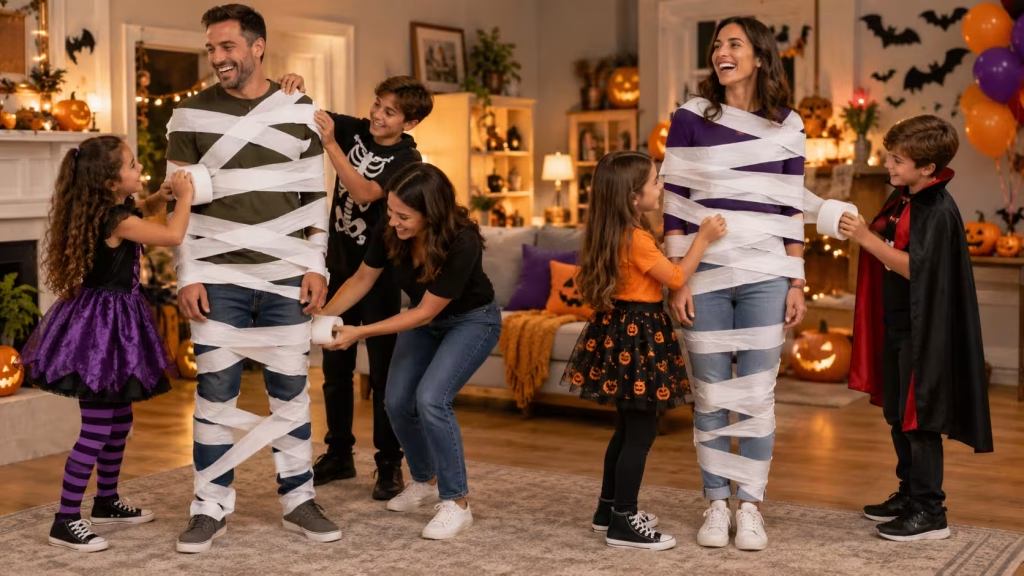
Divide guests into small teams and give each team rolls of white crepe paper. One person becomes the mummy while teammates wrap the paper loosely around the arms, torso, and legs. Set a short time limit, then choose the most creative mummy or let each completed mummy walk to a finish line.
Keep paper away from the face and neck, and make sure the wrapped guest can step comfortably. Crepe-paper streamers are preferable to toilet paper because they are more durable and create less lint. For younger children, skip the race and judge the finished costumes instead.
3. Eyeball Spoon Race
Place a plastic eyeball, ping-pong ball, or decorated foam ball on a spoon. Players carry it to a marker and back without holding it in place. If it falls, they return to the point where it dropped or begin again.
Create a walking-only rule indoors. For a mixed-age party, give younger children a larger spoon or allow them to use both hands. Teenagers and adults can navigate around cones or complete the course while holding the spoon in their non-dominant hand.
4. Halloween Freeze Dance
Play a Halloween playlist and invite everyone to dance. Pause the music at random; anyone still moving completes a playful challenge such as making a monster face, walking like a zombie, or naming a Halloween movie.
Using challenges instead of eliminating players keeps children involved and prevents the game from ending too quickly. Lower the volume enough for instructions to be heard, and provide a seated version for anyone who cannot comfortably dance.
5. Mystery Touch Boxes
Place ordinary foods or household items inside covered containers with openings large enough for one hand. Cooked spaghetti can become “witch hair,” peeled grapes can represent “monster eyes,” and a damp sponge can become “swamp moss.” Number the containers and let guests write down what they think each one contains.
Use separate utensils or disposable gloves if several guests will touch the same material. Check for food allergies, avoid sharp or unusually messy objects, and reveal the contents once everyone has guessed. This activity works particularly well as a self-directed station while guests arrive.
6. Halloween Scavenger Hunt
Hide small Halloween objects or printed picture clues around one room, the house, or a fenced yard. Give each person or team a checklist and set a time limit. Possible items include a spider, black cat, miniature pumpkin, paper bat, skeleton key, or witch hat.
For children who cannot read, use pictures instead of written clues. Teenagers can solve riddles that lead from one location to the next, while adults can photograph listed objects rather than collecting them. Establish boundaries before starting so guests do not enter private rooms or unsafe outdoor areas.
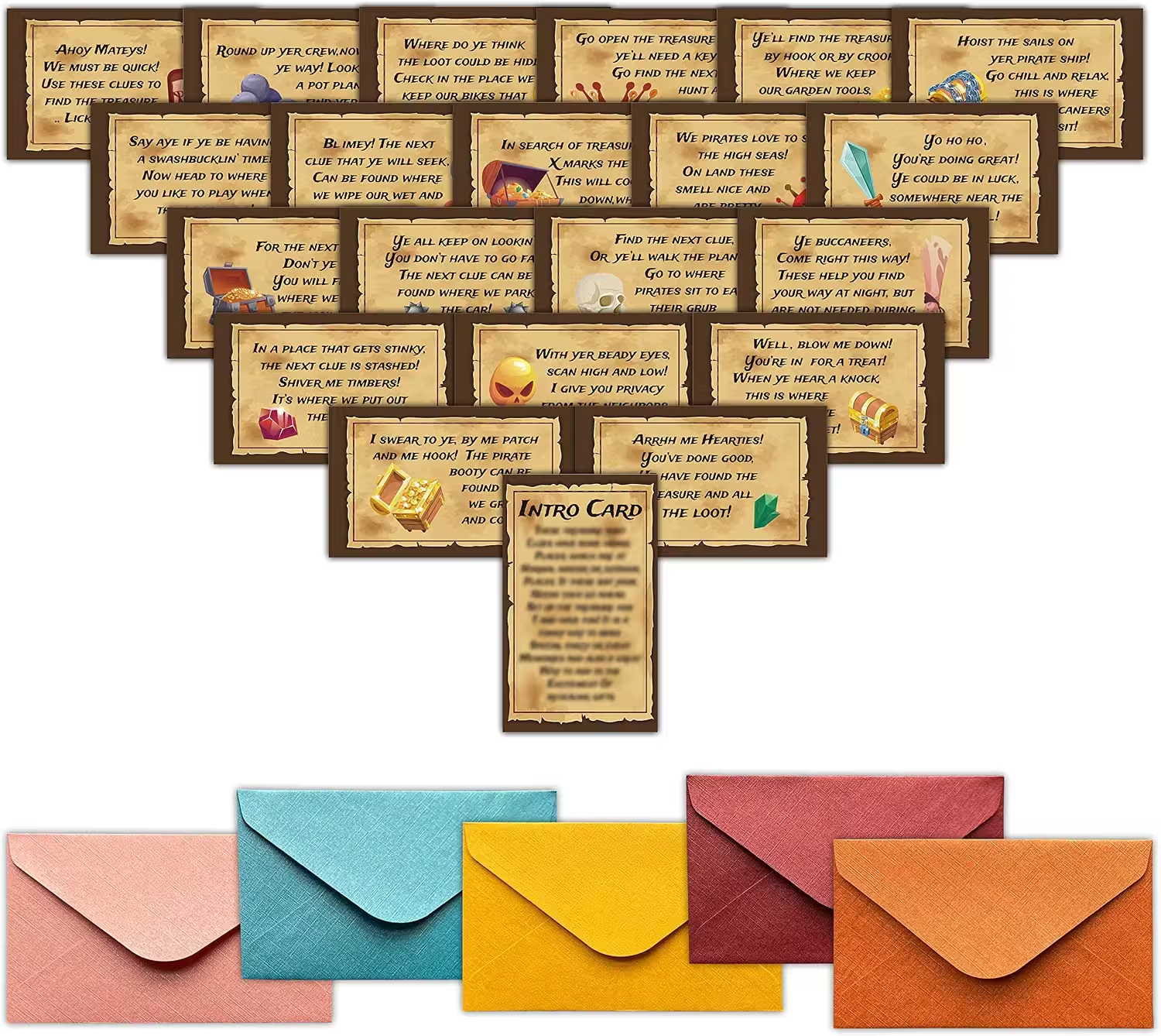
HEZNZXQ Halloween Pirate Treasure Hunt Game
This ready-to-use treasure-hunt set includes 20 clue cards, 20 colorful envelopes, and an instruction card for creating a guided Halloween adventure. Hide the clues around the house or yard, then have guests follow them in sequence to reach a final prize or treat.
7. Guess the Halloween Character
Write familiar Halloween characters, monsters, or movie figures on cards. Without looking, each player holds or wears one card where everyone else can see it. Players take turns asking yes-or-no questions until they identify their character.
Adjust the names to the group. Young children may recognize a ghost, vampire, pumpkin, or black cat, while teens and adults can use specific movie characters. Avoid obscure references unless everyone shares the same interests.
8. Spiderweb Obstacle Course
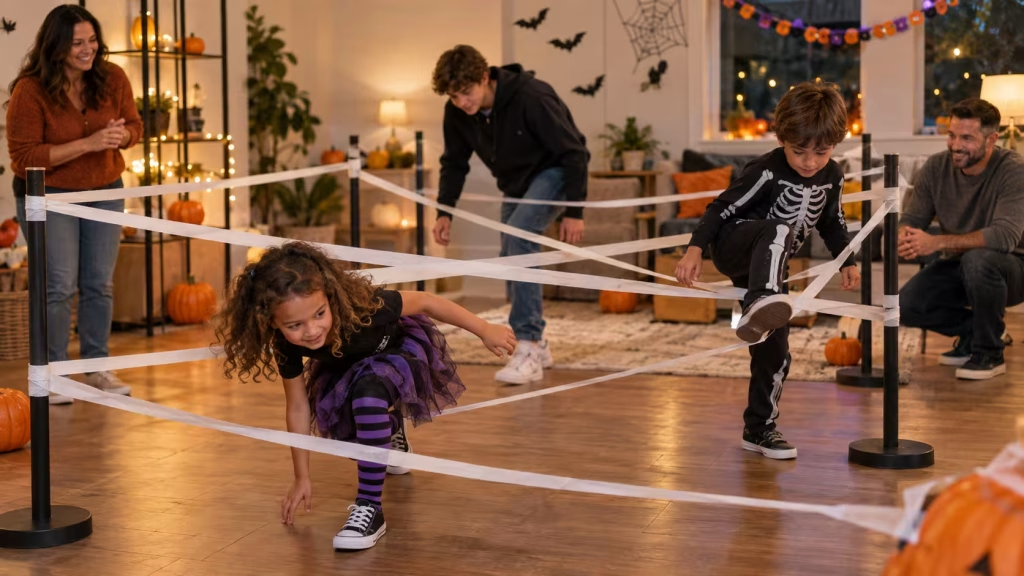
Stretch removable crepe-paper streamers across a hallway or between sturdy furniture to form a pretend web. Players move through without breaking or touching the strands. Add paper spiders to several sections and award a bonus for collecting them.
Keep the web below face level and avoid tying material to lamps, unstable furniture, doors, or anything that could fall. Do not use this activity in an entrance, stairway, or required path through the home. A tabletop version made with string and small objects is a safer alternative for limited spaces.
9. Candy-Corn Guessing Jar
Fill a clear container with candy corn, wrapped sweets, plastic spiders, or another countable item. Guests write their names and estimates on slips of paper. At the end of the party, the closest guess wins the jar or a separate prize.
Count the contents before the event and keep the answer somewhere private. If food allergies are a concern, use small toys or individually wrapped candy and clearly identify the prize.
10. Halloween Trivia
Prepare questions in several categories, such as Halloween traditions, movies, monsters, music, and general knowledge. Divide guests into teams so different ages and interests can contribute. Ten to fifteen questions are usually enough for one round.
Include a mixture of easy and challenging questions rather than relying only on horror movies. For a family party, use picture questions or short sound clips. Teen and adult groups may enjoy a final question with a higher point value.
11. Costume Awards Without a Single Winner
Instead of naming one “best costume,” create several lighthearted categories: most creative, funniest, best homemade costume, best use of color, most mysterious, or best group theme. Let guests vote with paper ballots, or have a small group of judges choose.
Multiple categories make it easier to recognize different kinds of effort. Avoid categories based on appearance or expense, and make participation optional. Guests who prefer not to dress up can help judge or present the awards.
12. Halloween Mystery Game
A cooperative mystery game gives older children, teenagers, and adults a structured activity that combines puzzles, clues, and group problem-solving. Choose one that fits the number and ages of the guests, then reserve enough time for everyone to follow the story without being rushed.
Read the setup instructions before the party and keep food and drinks away from cards and game pieces. Some escape-room games can be solved only once, so save the activity for a group that can remain involved from beginning to end.
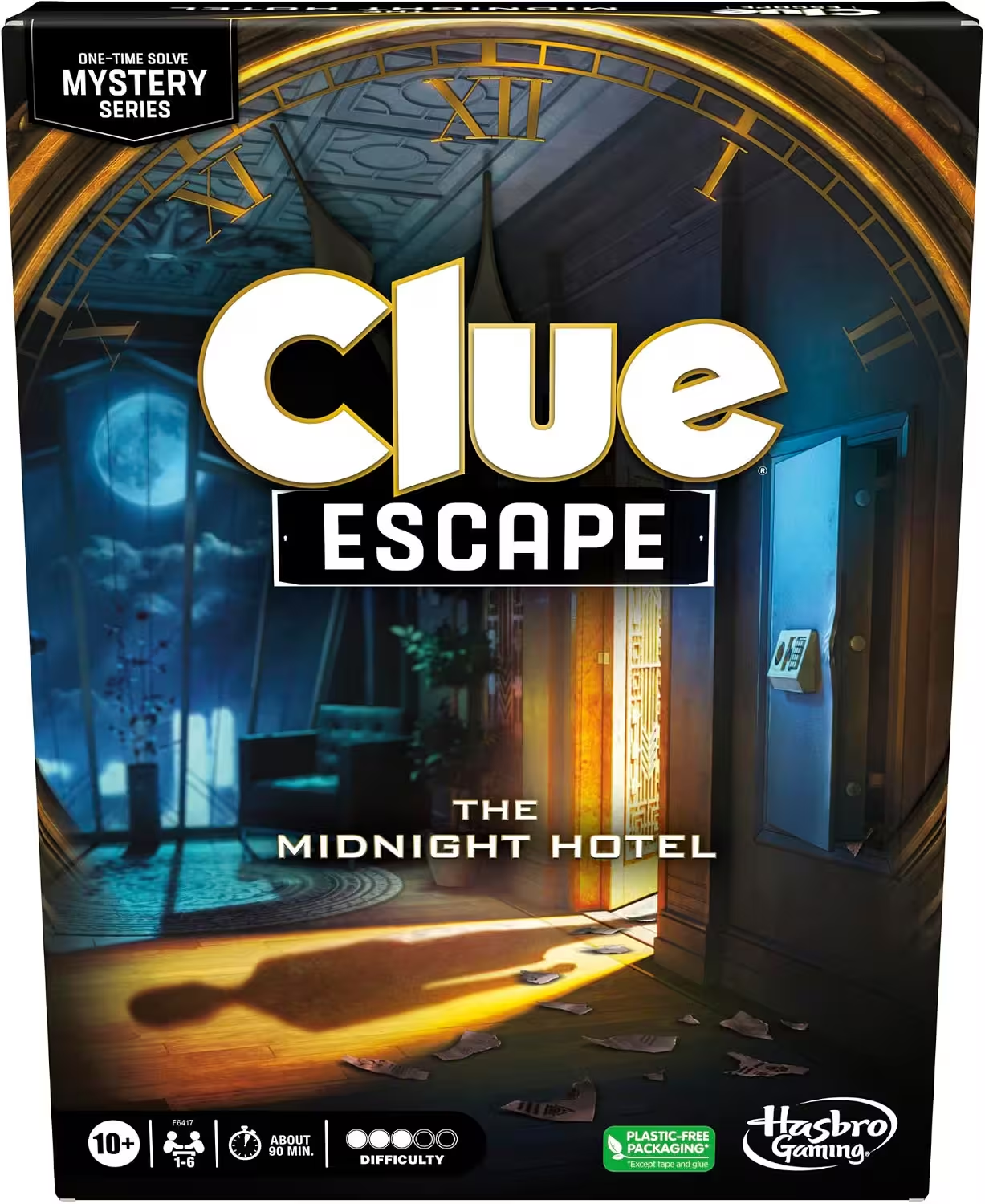
Hasbro CLUE Escape: The Midnight Hotel
This cooperative mystery game challenges one to six players to explore a hotel, solve puzzles, uncover clues, and determine who attempted to steal Mr. Boddy’s blackmail files. Designed for ages 10 and older, the approximately 90-minute game works well as the main activity for a small Halloween gathering. It is a one-time solve experience rather than a replayable board game.
Easy Prizes and Party Favors
Prizes do not need to be large. Halloween stickers, pencils, temporary tattoos, glow bracelets, small notebooks, packaged treats, or inexpensive trophies work well. Offer nonfood choices for guests with allergies or dietary restrictions.
Another option is to award points throughout the party and let guests choose from a prize table at the end. This avoids interrupting every game and makes it easier to recognize teamwork, creativity, and participation as well as winning.
How to Keep the Games Moving
Place supplies for each game in a separate labeled container before guests arrive. Write brief rules on index cards so another adult can lead an activity if needed. If a game is not working, shorten it or move on instead of forcing everyone to finish.
Alternate active and quiet activities. Pumpkin bowling or a relay can be followed by a guessing game, craft, snack break, or trivia round. Use your decorations and lighting to establish the atmosphere, but keep play areas bright enough to see the floor. Our guide to Halloween lights for indoor and outdoor decorating explains how to use accent lighting without making walking areas difficult to navigate.
Plan a Flexible Halloween Game Schedule
The most successful party schedule leaves room for guests to arrive late, repeat a favorite activity, or simply talk. Choose games that suit the group rather than trying to use every idea. Prepare one extra quiet activity in case the weather changes or an active game finishes early.
With clear rules, safe play areas, and a mix of activity levels, Halloween games can bring children, teenagers, and adults into the celebration without turning the party into a tightly managed competition.