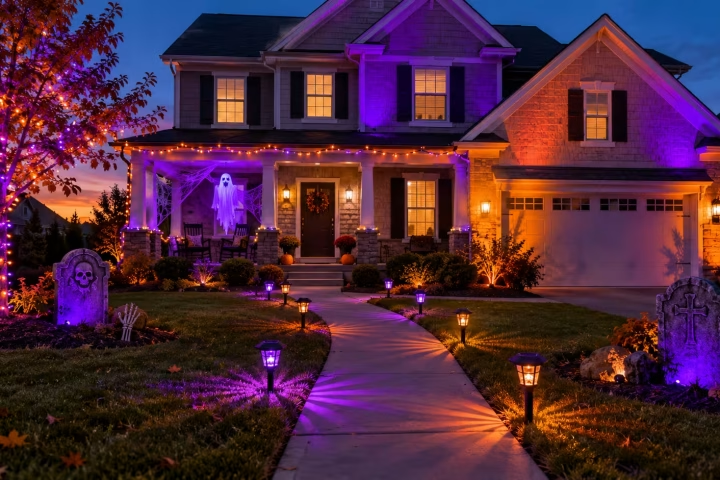
A small front yard or porch does not need dozens of decorations to make an impression. Limited space can actually make a Halloween display easier to understand because every prop is seen at close range.
The key is to choose one focal point, use vertical surfaces, and leave enough open space for visitors to approach the door comfortably. These nine ideas work for narrow porches, townhouse entrances, apartment patios, and compact front yards.
Begin With the Space Visitors Actually See
Stand at the sidewalk, parking area, or end of the walkway and look toward the entrance. Notice which feature catches your attention first. It may be the front door, one porch column, a window, or a small patch of lawn. Make that location the center of the display instead of spreading decorations evenly across every available surface.
Measure the usable width of the porch and walkway before buying anything. Remember to account for a storm door that swings outward, room for packages, railings that need to remain usable, and space for several trick-or-treaters to wait near the entrance.
Choose two or three colors and one general style. Repeating orange and purple, black and warm white, or green and violet helps separate items feel like one planned display.
1. Choose One Strong Focal Point
A compact display benefits from one decoration that is more noticeable than everything around it. This could be a decorated doorway, a seated skeleton, a group of pumpkins, a lighted wreath, or one animated prop positioned where it will not surprise visitors at dangerously close range.
Build outward from that feature using smaller supporting elements. If the front door is the focal point, repeat one of its colors in the porch lights or pumpkin arrangement. If a skeleton is the main character, give it a simple scene rather than surrounding it with unrelated props.
Avoid using several similarly sized decorations. They compete for attention and make the area feel crowded. One main feature with two or three quieter accents usually reads more clearly from the street.
2. Decorate Vertically
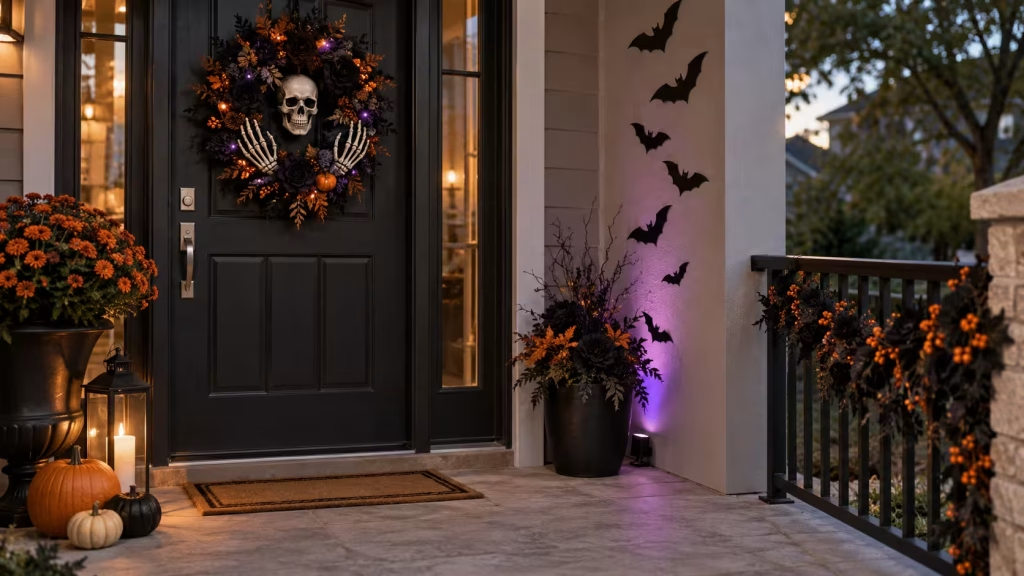
Walls, doors, windows, columns, and railings provide display space without taking away from the walking surface. Hang a wreath or lightweight sign on the door, attach removable silhouettes to a window, or drape a fabric backdrop against a wall behind a prop.
Vertical decorations should remain flat or close to the mounting surface. Secure loose corners so wind cannot pull the material across the path. Keep hanging items above head level or completely outside the route rather than placing them where guests must duck underneath.
If your porch has a narrow wall beside the door, use one tall decoration instead of stacking several objects on the floor. A vertical element draws the eye upward and can make the entrance look larger.
3. Frame the Front Door
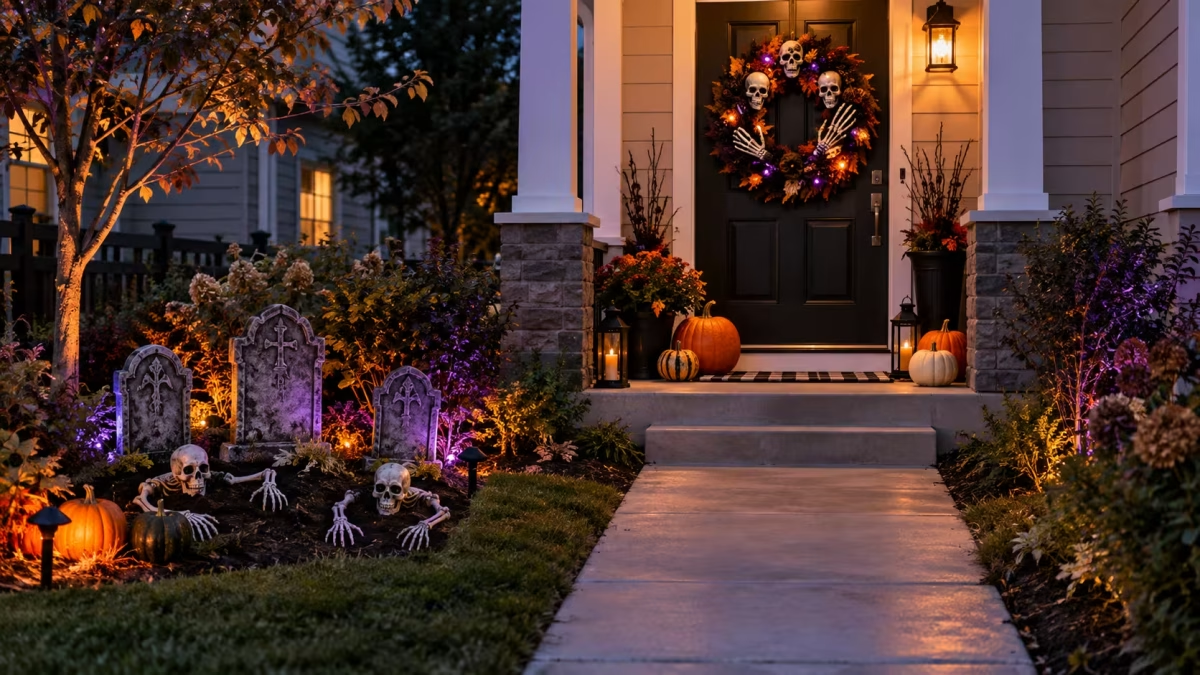
The doorway is already the natural destination, making it an efficient place to concentrate decorations. Use a wreath, removable bats, a garland, or a pair of matching accents on either side. Stop before the decorations interfere with the handle, doorbell, house number, lighting, or outward movement of the door.
An asymmetrical arrangement can work especially well in a tight space. Place the larger cluster on the side with more clearance, then use a smaller element on the opposite side to create balance without narrowing the entrance.
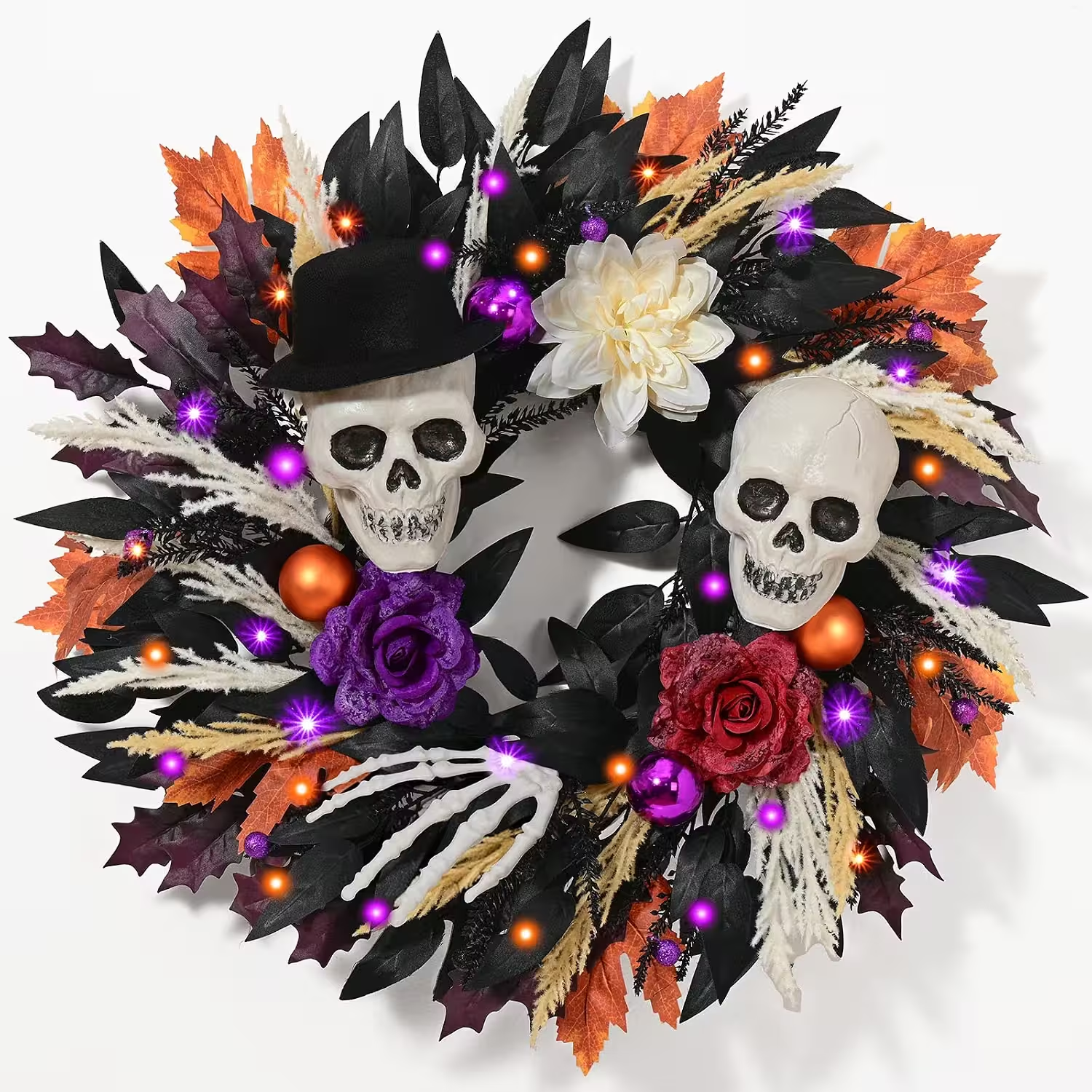
Waipfaru 24-Inch Lighted Halloween Skull Wreath
This 24-inch Halloween wreath combines skulls, a skeleton hand, black and orange foliage, gothic flowers, and purple and orange lights in one door-mounted decoration. It creates a prominent doorway focal point without occupying valuable floor space on a small porch.
4. Use Railings and Porch Columns
Railings and columns can carry lights, garland, lightweight fabric, or small repeating decorations. Attach everything with fasteners suitable for the surface and avoid adhesives that could damage paint or masonry.
Keep the handrail itself available wherever visitors may need it. Decorations can be secured to the outside face of a railing or between balusters without wrapping the entire gripping surface. Do not run electrical cords along the top of a handrail or across steps.
For columns, concentrate decorations near the upper and middle sections while keeping the base clear. This preserves floor space and prevents fabric or garland from catching around feet.
5. Create a Compact Pumpkin Arrangement
Instead of lining pumpkins along the entire walkway, group three to five near the focal point. Vary their height using naturally different sizes or a stable outdoor-rated stand. Keep heavier pumpkins at the bottom and confirm that none can roll toward the steps.
Mixing carved, uncarved, and reusable pumpkins adds variety without requiring more floor space. Battery-operated lights are easier to manage near fabric, leaves, and visiting costumes than open flames. Check each light before dark and keep battery compartments protected according to the product instructions.
Use leaves, a small crate, or one planter as a base, but avoid building a tall unstable stack. The arrangement should remain safely outside the door swing and walking route.
6. Build a Small Graveyard Scene
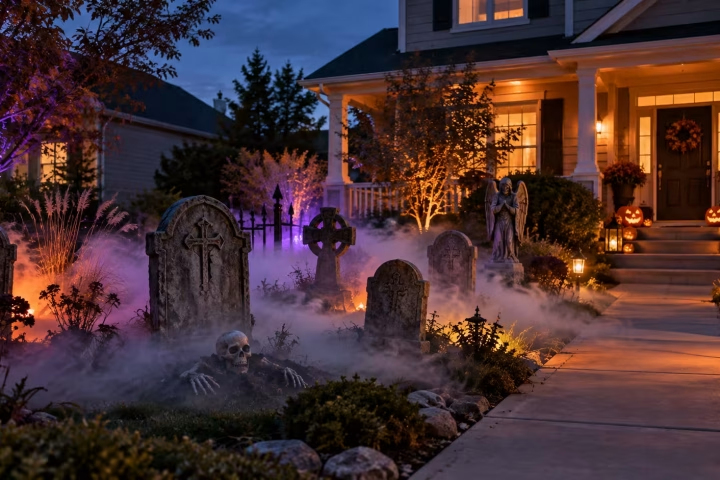
A graveyard does not need to cover the entire lawn. Three tombstones placed at different depths can suggest a larger cemetery, especially when viewed from the sidewalk. Angle them slightly rather than arranging them in one straight row.
Add only a few supporting details, such as leaves, a skeleton hand, short fencing, or a small lantern. Low side lighting creates longer shadows and makes a compact group feel more dimensional after dark.
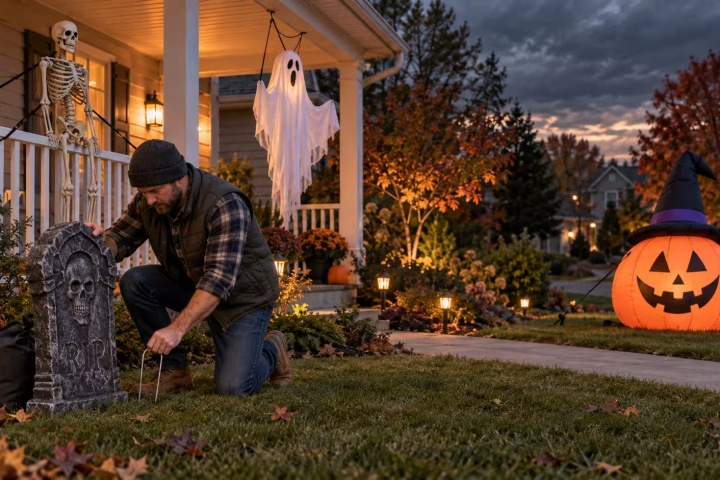
Choose smaller tombstones that suit the available patch of lawn, but check how they are secured. Lightweight foam props can twist or pull free in wind unless their stakes are fully inserted into suitable ground. Our guide to securing Halloween decorations in wind and bad weather explains anchoring options for tombstones and other lightweight props.

Kannove 2-Pack Skeleton Groundbreaker Stakes
This two-pack includes two skulls and four skeleton arms with stakes for creating compact groundbreaker scenes in a yard or garden bed. Posable jaws, elbows, and wrists allow the figures to be arranged at different angles, while the stake-mounted design uses less space than full-size standing props.
7. Add Lighting Without Overwhelming the Space
Small displays usually need less light than large yards. Begin with the porch fixture, then add one accent type: a short string of lights, one low spotlight, several pathway markers, or a black light aimed at compatible decorations.
Position accent lighting across a decoration rather than directly toward visitors, neighboring windows, or traffic. Side lighting brings out texture and shadows, while a light placed behind a prop can create a silhouette against the house.
Repeat only two or three colors. Too many moving or flashing effects at close range can make the porch uncomfortable and obscure steps or changes in floor level. The guide to Halloween lights for indoor and outdoor decorating explains the differences among string lights, spotlights, pathway lights, black lights, and timers.
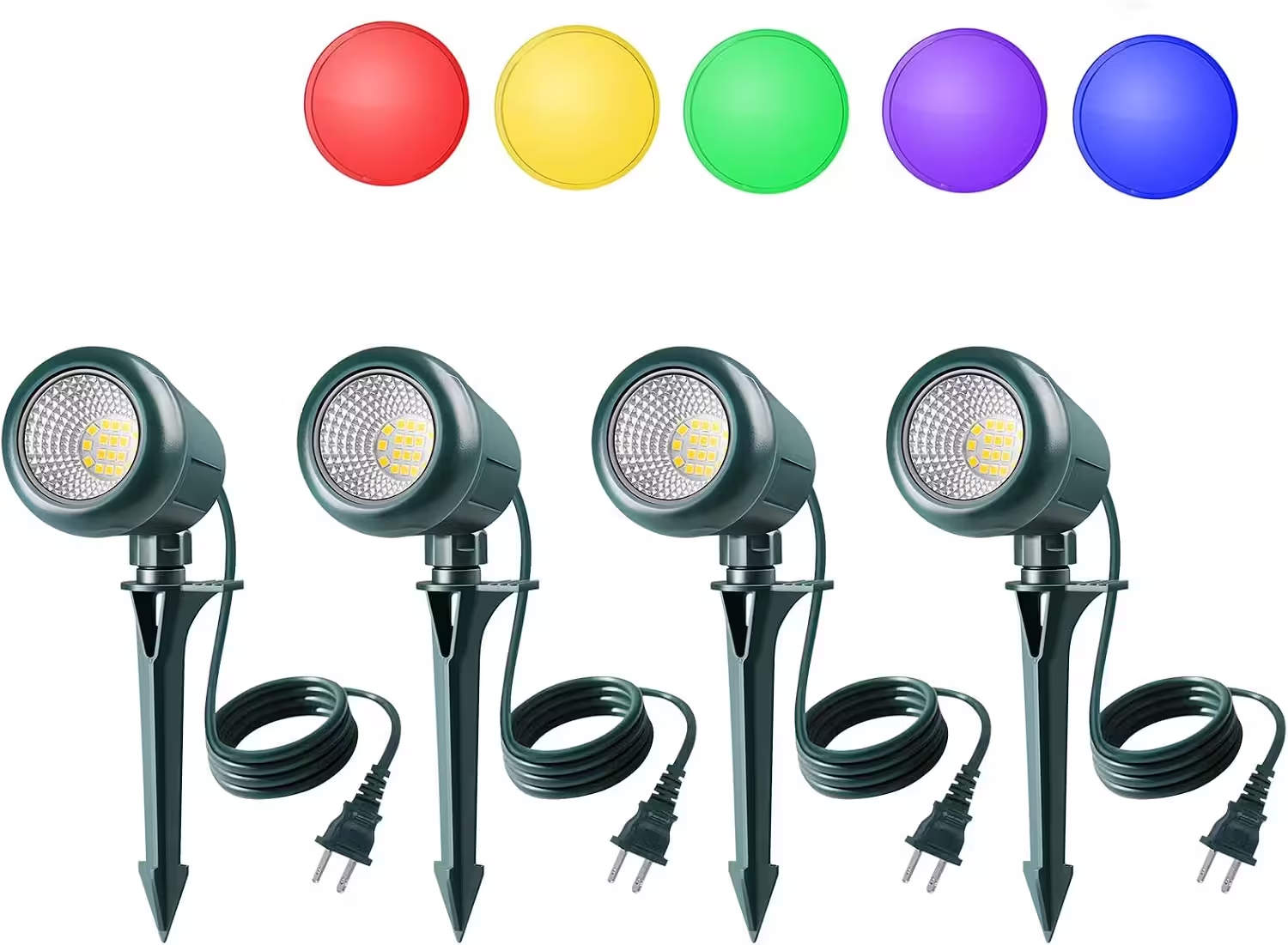
Gmalos Outdoor Spotlights with Colored Lenses, 4-Pack
This four-pack of outdoor spotlights includes interchangeable red, green, blue, purple, and yellow lenses for highlighting pumpkins, trees, walls, or a compact graveyard. Each light produces a focused 24-degree beam, allowing one or two fixtures to emphasize a small display while the remaining lights can be used elsewhere.
These lights are manually controlled rather than timer-equipped. Their focused 1,000-lumen output may be brighter than a small porch needs, so begin with one fixture and adjust its angle before adding more.
8. Choose Compact or Hanging Props
Look for decorations that deliver one clear effect without requiring a large footprint. A seated skeleton can use an existing chair. A hanging ghost can occupy the outside corner of a covered porch. A groundbreaker creates a character without the height and base required by a full-size standing figure.
Check the complete dimensions rather than relying on listing photographs. A prop described as life-size may overwhelm a narrow porch, while a wide base can consume more room than the figure itself suggests.
Moving and sound-activated props need extra clearance. Test their full range of motion and confirm that ordinary conversation, passing traffic, or nearby decorations will not trigger them continuously. Keep sudden movement away from steps and the immediate door threshold.
9. Preserve a Clear Visitor Route
Decorate around the route instead of treating the walkway as display space. Visitors should be able to identify the approach, steps, door, and exit even when the effects are running. Leave room for costumes, treat bags, mobility devices, and adults accompanying children.
Walk through the setup after dark while carrying something in one hand. Look for loose cords, unstable props, low branches, decorations extending from railings, and dark edges around steps. Remove anything that requires guests to turn sideways or step onto the lawn.
Use only lights, extension cords, timers, and powered decorations rated for their intended location. Inspect cords for cuts, fraying, loose plugs, or other damage before use. Keep electrical connections above damp ground and away from puddles, and follow the load limits and placement instructions provided with each product.
How to Keep a Small Display From Looking Cluttered
After placing everything, remove one or two items and look again from the sidewalk. Empty space helps separate the focal point from supporting decorations and makes the complete scene easier to recognize.
Repeat shapes or colors instead of adding more themes. Three similar bats across a wall feel more intentional than three unrelated hanging decorations. A matching pair of lanterns can frame the entrance more effectively than several different lights.
If you want additional ideas before deciding what fits, see the broader guide to outdoor Halloween decoration ideas. Choose only the elements that suit the scale of your entrance rather than attempting to reproduce every scene.
Final Advice for Small Yards and Porches
The strongest compact displays guide attention toward the entrance without making it difficult to reach. Start with one focal point, use the door and vertical surfaces, and add a small amount of coordinated lighting. Then protect the walking route and stop decorating before every surface is filled.
A display does not need to be large to feel complete. Clear composition, secure placement, and good lighting matter more than the number of props.