Halloween costumes can produce a memorable photo, but pets do not understand why they are being dressed differently. An outfit that looks harmless may restrict movement, cover the ears, trap heat or add small pieces that invite chewing. Some dogs enjoy the attention, while many cats and anxious dogs are more comfortable without a costume.
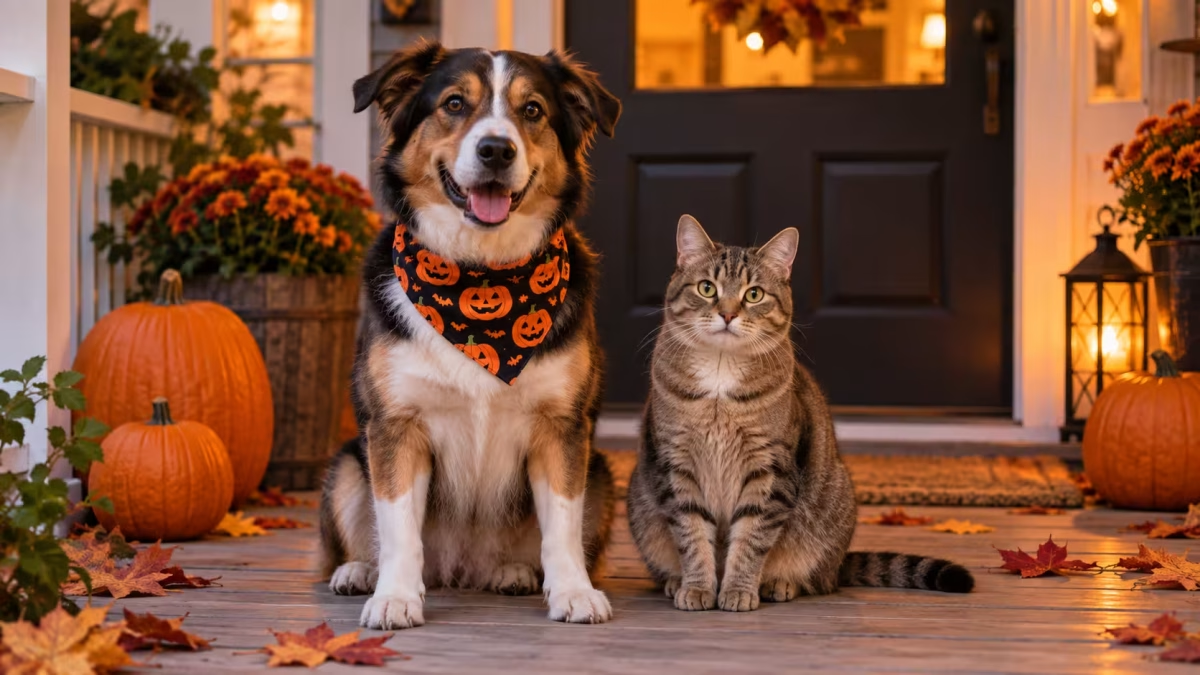
The safest approach is to treat dressing up as optional. Choose a simple design, introduce it gradually and remove it as soon as the pet appears uncomfortable. A festive bandana, bow attached to a collar or decorated harness can be enough for a pet that dislikes clothing.
Start With Your Pet, Not the Costume
Consider how your pet normally responds to clothing, handling, visitors and unfamiliar objects. A dog that comfortably wears a coat may accept a lightweight costume after a short introduction. A cat that freezes, hides or tries to remove a harness is unlikely to enjoy a full outfit on a busy evening.
Age and health also matter. Puppies, kittens, seniors, short-nosed dogs and pets with mobility, skin, breathing or temperature-regulation problems may need extra caution. Ask your veterinarian if an existing condition could affect costume safety.
Skipping the costume is not a failure. A Halloween-themed collar, tag, bandana or supervised photo beside a pumpkin can create the seasonal look without covering the body.
Choose the Simplest Costume That Works
The safest pet costumes use lightweight materials and as few pieces as possible. Avoid designs that cover the face, press against the throat or extend beneath the paws. Large wings, rigid shells, masks and dangling accessories may shift, catch on furniture or frighten the pet when they move.
Before buying or making an outfit, check for:
- A neck opening that does not tighten against the throat
- Enough room around the chest and shoulders for normal movement
- Clear access to the eyes, ears, nose and mouth
- An open area for bathroom breaks
- Secure closures that do not pull fur or pinch skin
- Lightweight fabric suitable for the indoor or outdoor temperature
- No bells, beads, strings, buttons or decorations that can be chewed off
The ASPCA advises that a pet costume should not restrict movement, sight, breathing or normal vocalization. It also recommends checking for dangling or easily detached pieces that could become choking hazards. See the organization’s complete Halloween safety tips for pets.
Check the Fit Before Halloween
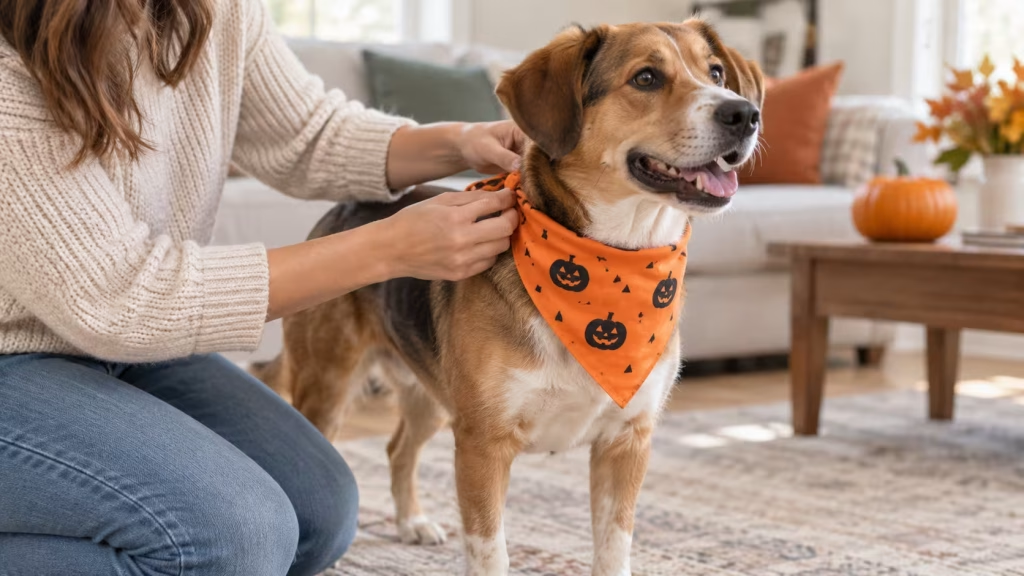
Do not rely only on a label such as small, medium or large. Measure the pet around the neck and widest part of the chest, then measure from the base of the neck to the base of the tail. Compare those numbers with the manufacturer’s chart for the exact costume.
Once the outfit is on, confirm that you can comfortably slide fingers beneath the neck and chest areas without leaving the garment loose enough to twist. Watch the pet walk, sit, turn and lie down. Pay particular attention to the front legs and armpits, where fabric can rub as the pet moves.
For the practical measuring and dressing process, see how to dress your pet for Halloween. That guide covers gradual introductions, fit and comfortable alternatives for cats and dogs.
Introduce the Costume Gradually
Do not place a new costume on a pet for the first time immediately before guests arrive. Begin several days in advance in a quiet, familiar room.
Let the pet inspect the costume first. Place it nearby and reward relaxed behavior with an appropriate treat or favorite activity. On the next attempt, fasten one simple piece for a few seconds, then remove it before the pet becomes frustrated. Increase the time only if the pet remains comfortable. Do not chase, restrain or repeatedly redress an animal that tries to get away.
Watch for Signs of Stress
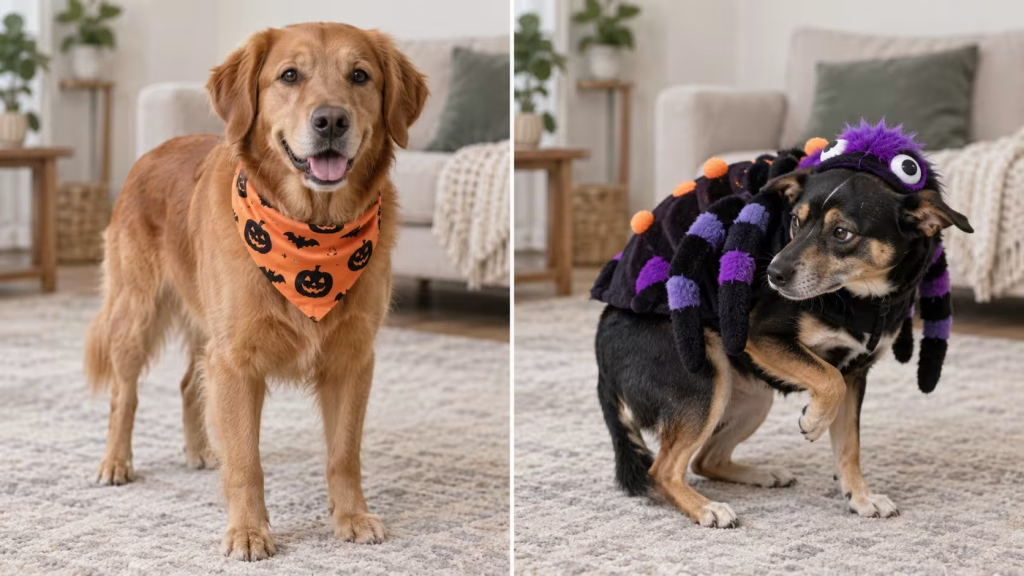
Pets communicate discomfort through posture and behavior. Remove the costume if the pet freezes, crouches, hides, rolls repeatedly, paws at the outfit or tries to bite it. Other possible stress signals include panting when the room is not warm, trembling, tucked posture, flattened ears, unusually wide eyes, repeated lip licking, growling or attempts to escape.
Cats may drop low to the ground or refuse to walk. Dogs may become unusually still, rub against furniture or repeatedly turn toward a strap. After removing the outfit, check for red areas, damp fur, tangles or pressure marks. Do not put it back on if the pet remains agitated.
Keep Wear Time Short and Supervised
Even a well-fitting costume should be worn only while an adult is actively supervising. Remove it before placing the pet in a crate, carrier or separate room. Never leave a costumed pet alone outdoors or attached to a leash where fabric could become caught.
Plan for a short photo session rather than expecting the pet to remain dressed throughout a party. If the pet appears warm or pants more than usual, remove the costume and offer water and a comfortable resting place. Thick plush designs are better suited to a brief photograph than extended wear.
Manage Visitors, Doorbells and Parties
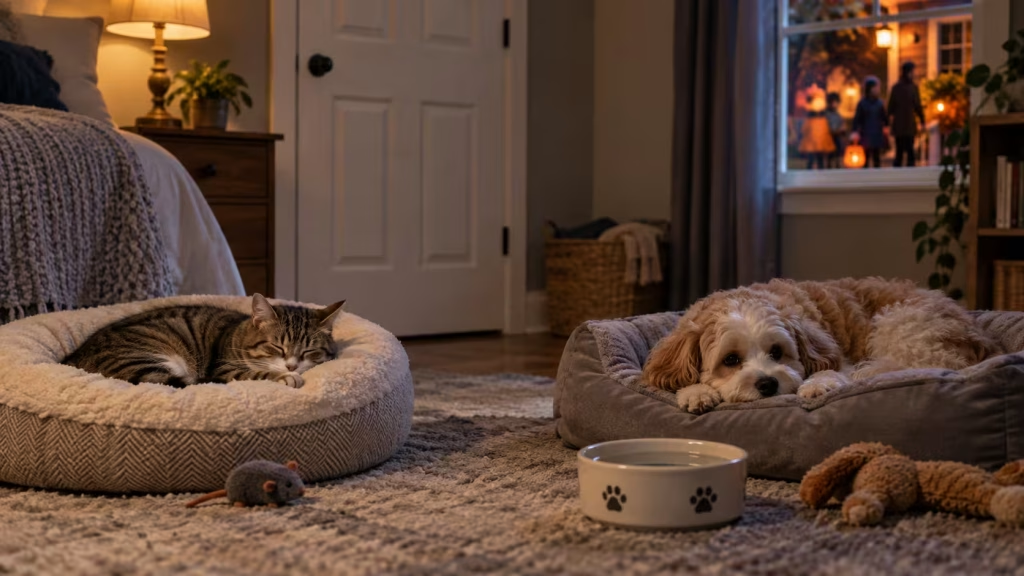
Costume fit is only one part of Halloween pet safety. Repeated doorbell sounds, masked visitors, excited children and an open front door can overwhelm even a social pet. The ASPCA recommends keeping most dogs and cats in a separate, comfortable room away from the entrance during peak trick-or-treating.
Prepare that room with water, bedding and familiar toys. Close exterior doors and windows securely, and make sure identification information is current. A costume should never replace a properly fitted collar, identification tag or secure harness.
If you are hosting, include the pet’s quiet space in your Halloween party plan. Tell guests—especially children—not to enter, feed or dress the pet without permission.
Keep Candy and Decorations Out of Reach
Place candy bowls, dropped wrappers and treat bags where pets cannot reach them. Chocolate can be dangerous to dogs and cats, while sugar-free candy or gum may contain xylitol. The FDA warns that xylitol can cause a rapid, potentially life-threatening drop in a dog’s blood sugar. If you believe a dog consumed xylitol, contact a veterinarian, emergency clinic or animal poison-control service immediately. The FDA’s xylitol guidance lists common products and warning signs.
Keep candles, electrical cords, glow sticks, fake cobwebs and small decorations away from pets. A curious cat can knock over a candle, while loose fibers or plastic pieces may be swallowed. Battery compartments should remain closed and inaccessible.
Be Careful Outdoors After Dark
Only take a pet trick-or-treating if the animal is already comfortable with crowds, darkness, children and unusual clothing. Use a secure leash and properly fitted harness; do not attach the leash to the costume itself.
Reflective material or a pet-safe visibility light can help others notice the animal, but it should not flash into the pet’s eyes or dangle where it can be chewed. Keep the route short and return home if the pet becomes frightened or difficult to handle.
People need similar checks for visibility and movement. Our guide to choosing a comfortable and safe Halloween costume explains how to evaluate masks, footwear, accessories and reflective details for the rest of the family.
A Quick Pet Costume Safety Checklist
Before taking a photograph or joining an activity, confirm that:
- The pet can see, hear, breathe and move normally
- Nothing presses on the neck or rubs beneath the legs
- The costume has no chewable or dangling small parts
- The pet has practiced wearing it in a quiet setting
- An adult will supervise continuously
- The outfit can be removed quickly
- The pet has current identification
- Candy, candles, cords and decorations are out of reach
- A quiet, costume-free room is ready if the pet needs a break
Let Comfort Decide
A successful pet costume is not the most elaborate one. It is the one the pet can wear briefly without restricted movement, overheating or visible stress. If the animal resists the outfit, replace it with a bandana, collar accessory or costume-free photo.
Halloween should remain safe and manageable for every member of the household. Let the pet’s behavior—not the photograph or theme—decide whether dressing up is a good idea.