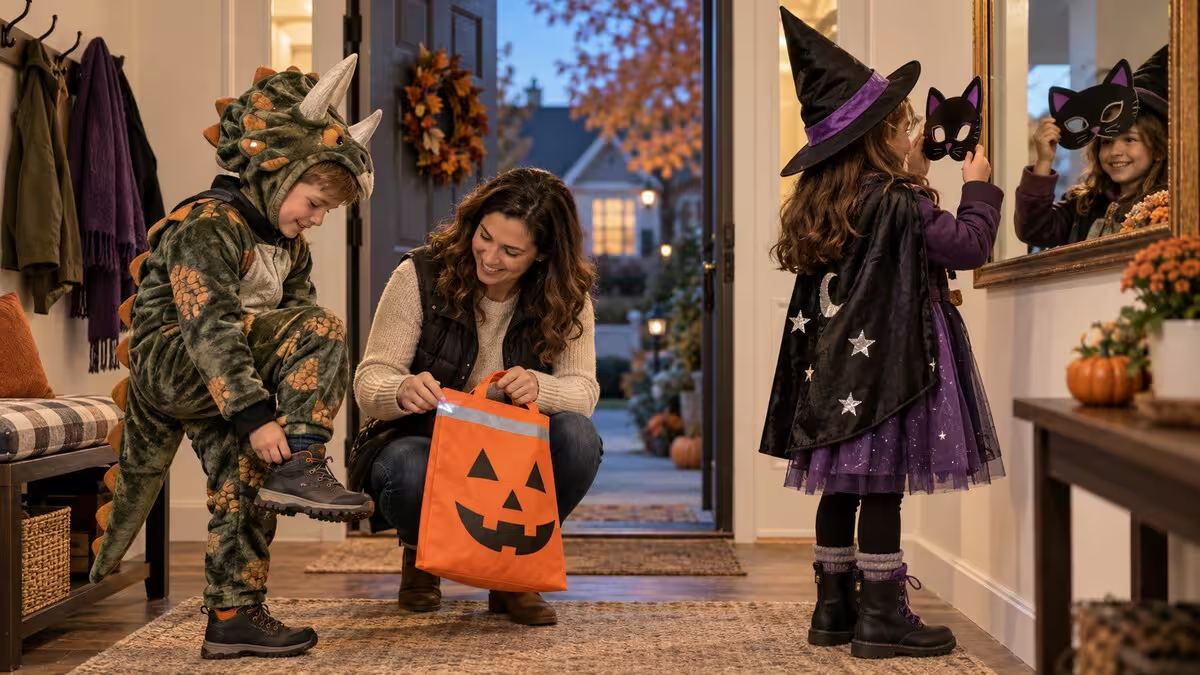
Choosing a Halloween costume involves more than finding the right character. A costume may look impressive in a photograph but become frustrating after an hour of walking, sitting, dancing, or supervising children. Poor visibility, dragging fabric, uncomfortable shoes, and overheating can quickly spoil the night.
The best costume is one you can wear comfortably for the entire event. Before buying, consider where you will use it, how long it will stay on, the expected weather, and whether you need to walk outdoors after dark.
Start With Where You Will Wear It
An indoor Halloween party, outdoor trick-or-treating route, school event, and home haunted house create different requirements. A bulky costume may work at a party but make getting into a car or passing through crowded doorways difficult. Long robes and inflatable outfits need even more clearance.
For outdoor use, plan for temperature changes and possible wind. Check whether thermal layers or a rain jacket can fit beneath or over the costume without hiding its main design. If the event combines indoor and outdoor activities, removable layers are more practical than one heavy garment.
Check the Fit and Range of Motion
Use the seller’s size chart rather than assuming your usual clothing size will match. Compare chest, waist, hip, inseam, and height measurements where available. For children, avoid buying so large that sleeves cover their hands or fabric collects around their feet.
Try the complete costume on before Halloween. Walk, sit, climb a few steps, bend down, and reach both arms forward. Nothing should restrict breathing, tighten around the neck, or interfere with balance. Secure capes and detachable accessories with closures that release easily rather than wrapping cords tightly around the body.
Keep hems above the ground and use temporary alterations instead of letting fabric drag. A compact repair kit can help adjust a loose hem, reinforce a closure, or secure an accessory before the event.
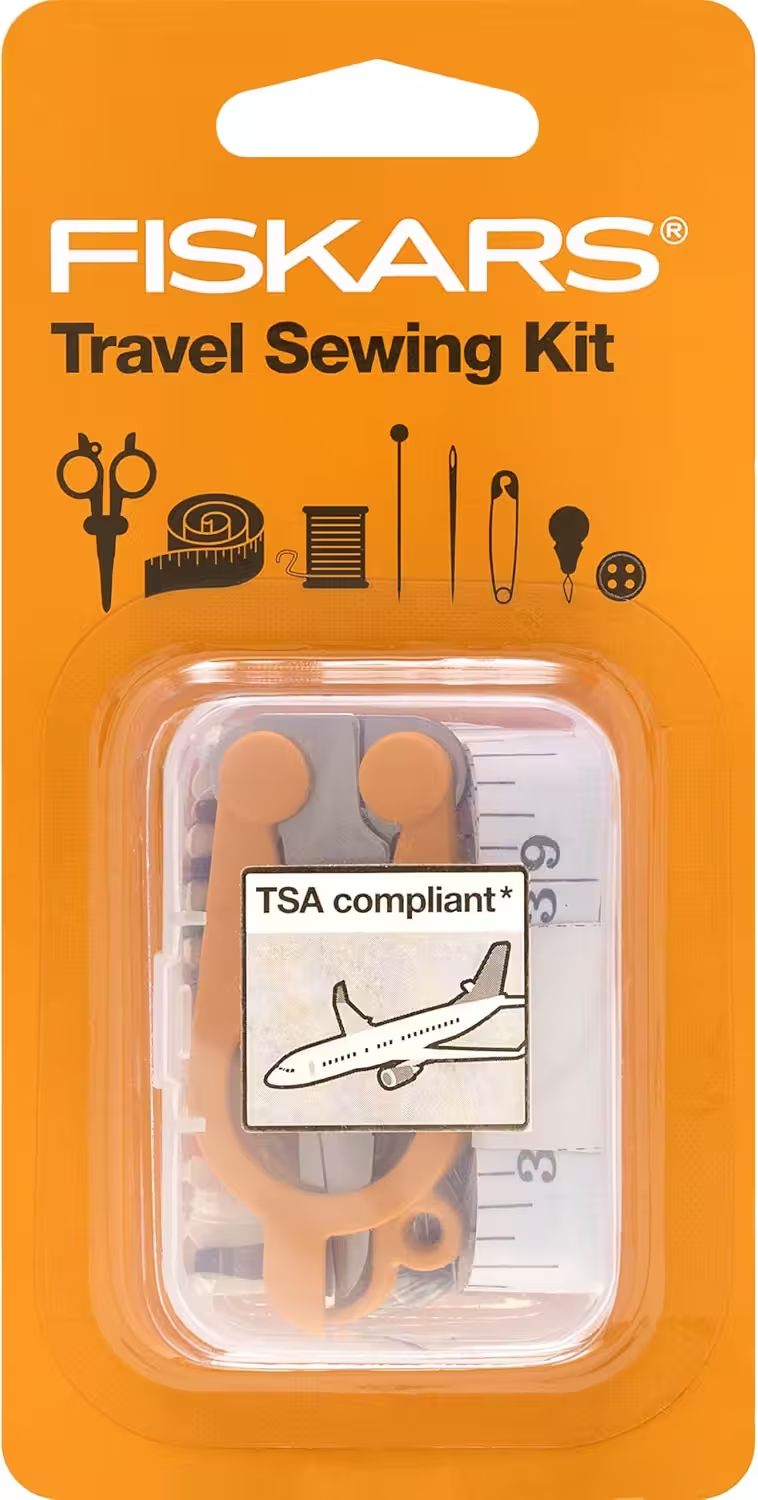
Fiskars 27-Piece Travel Sewing Kit
This compact 27-piece sewing kit includes folding scissors, thread, needles, safety pins, buttons, a needle threader, straight pins, and a measuring tape. Keep it in a purse, backpack, or car for quick costume repairs such as replacing a button, securing a loose accessory, or temporarily fixing a hem.
Make the Costume Visible After Dark
Dark costumes can be difficult for drivers, cyclists, and other pedestrians to see after sunset. Adding reflective material to a costume, jacket, shoes, backpack, or treat bag can make the wearer more noticeable when light reaches it.
GEAR AID Tenacious Tape Reflective Roll
This 3 × 20-inch reflective fabric tape can be cut into strips or shapes and applied to costumes, jackets, shoes, backpacks, or treat bags. Its peel-and-stick design makes it an easy way to add reflective details without permanently changing the costume.
Place reflective material where movement will catch attention, such as the arms, legs, back, or outer edge of a treat bag. If visible tape would disrupt the design, apply it to the back or use small shapes that become part of the costume. A clip-on light can provide additional visibility, but it should not replace attentive supervision or safe street-crossing habits.
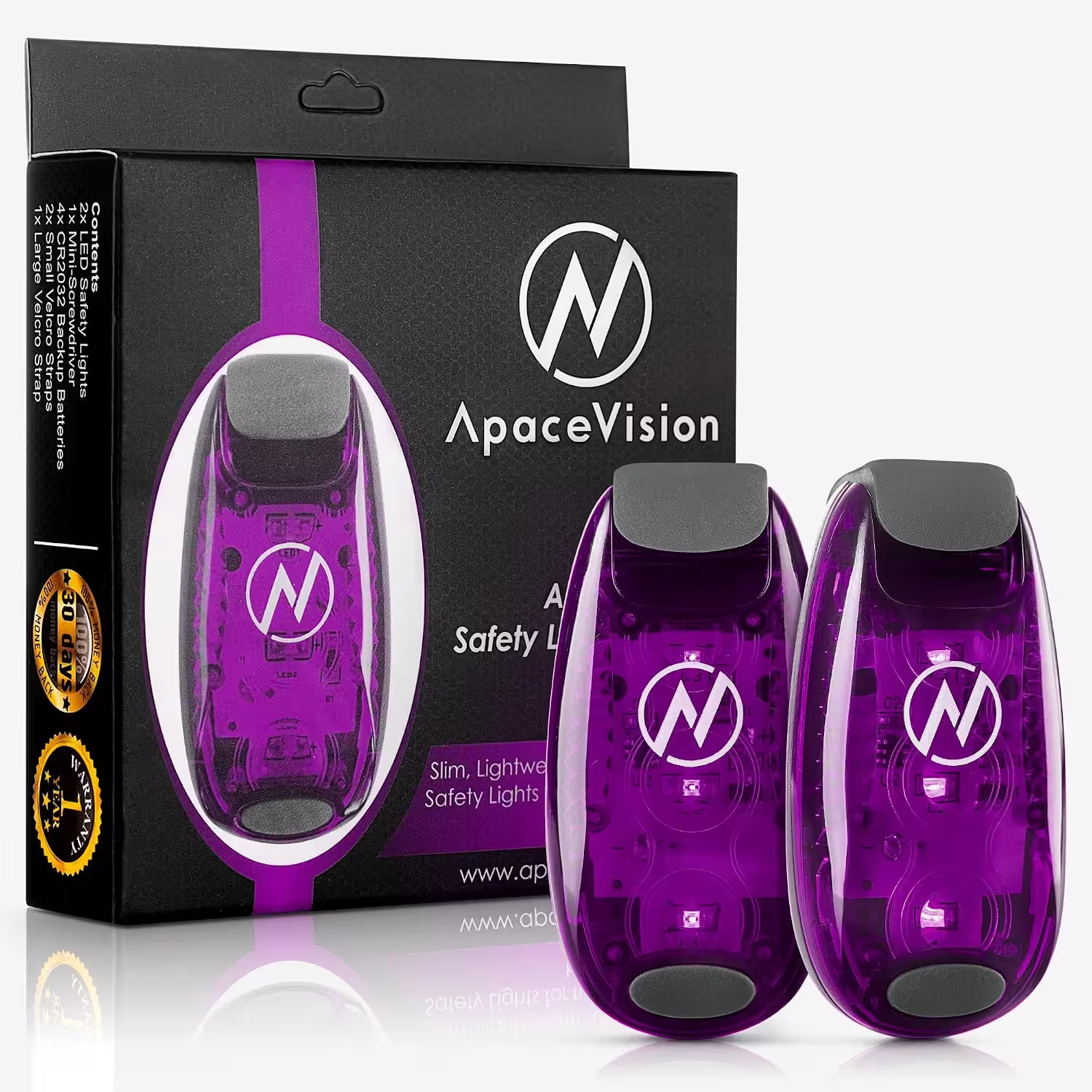
Apace Vision Clip-On LED Safety Lights
This two-pack includes compact LED safety lights with steady, slow-flash, and fast-flash modes. Clip one to a costume, belt, backpack, or treat bag to add another point of visibility when walking after dark. The second light can be placed on another person or attached to the back of the costume.
Choose Masks and Headwear Carefully
A mask should allow clear forward and side vision, comfortable breathing, and normal hearing. Check the eye openings in ordinary light and again outdoors after dark. If the mask shifts while walking or requires frequent adjustment, replace it with makeup or a smaller accessory.
Hats, wigs, helmets, and headpieces should remain stable without being painfully tight. Avoid sharp edges and excessively tall pieces in crowded rooms. Keep wigs, beards, flowing fabric, and other costume materials away from candles, fire pits, heaters, and decorative flames. Look for costumes and accessories labeled flame resistant, while remembering that flame resistance does not mean fireproof.
Be Selective With Makeup and Face Paint
Use products intended for cosmetic use, read the ingredient label, and follow the manufacturer’s age and application instructions. The FDA’s novelty makeup guidance explains that color additives used in cosmetics must be approved for their intended use; a color permitted elsewhere on the body may not be approved near the eyes.
Test a small amount on the arm several days beforehand and stop using it if irritation develops. Do not apply products close to the eyes unless the directions specifically allow it. Avoid craft paint, and never use decorative glitter around the eyes unless it is made and labeled for that cosmetic use. Remove makeup as directed before sleeping.
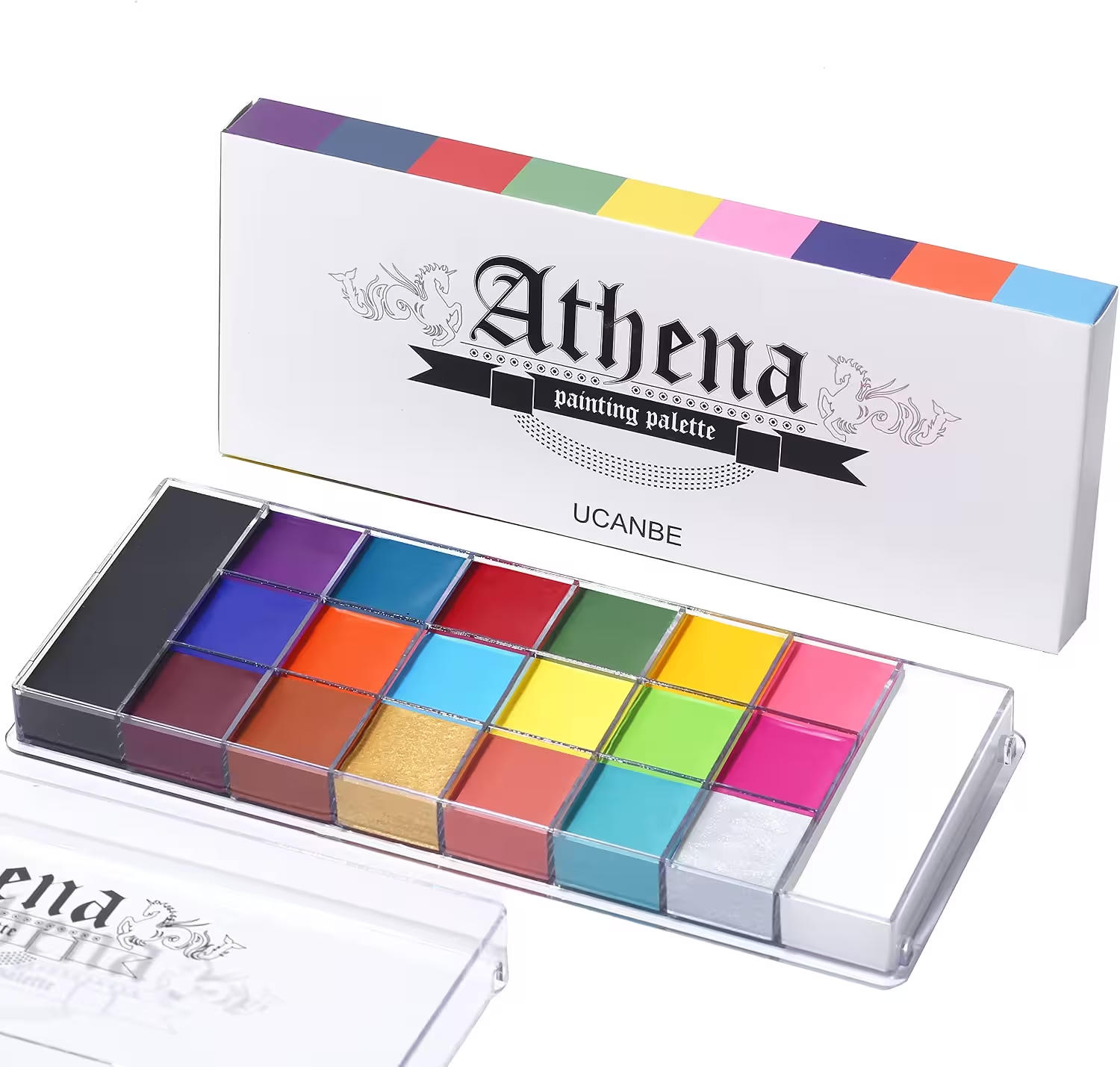
UCANBE Athena 20-Color Face and Body Paint Palette
This oil-based face-and-body-paint palette includes 20 blendable colors, with larger sections of frequently used black and white. The varied shades work well for skeletons, zombies, vampires, bruising effects, and other detailed Halloween makeup. Follow the application instructions and use an appropriate makeup remover afterward.
Do Not Ignore Shoes and Accessories
Shoes should remain secure during the type of walking the event requires. Costume boots and oversized character feet may be suitable for photographs but uncomfortable over a long route. When possible, coordinate the costume with supportive shoes you already know fit well.
Props should be lightweight and easy to carry. Avoid realistic-looking weapons in public settings, and choose flexible versions without sharp points. Make sure shields, wings, tails, and bags do not strike other people or catch on furniture. Young children should not carry small detachable pieces that could create a choking hazard.
If the planned shoes lack cushioning, an appropriately sized removable insole may improve comfort without changing the costume’s appearance.
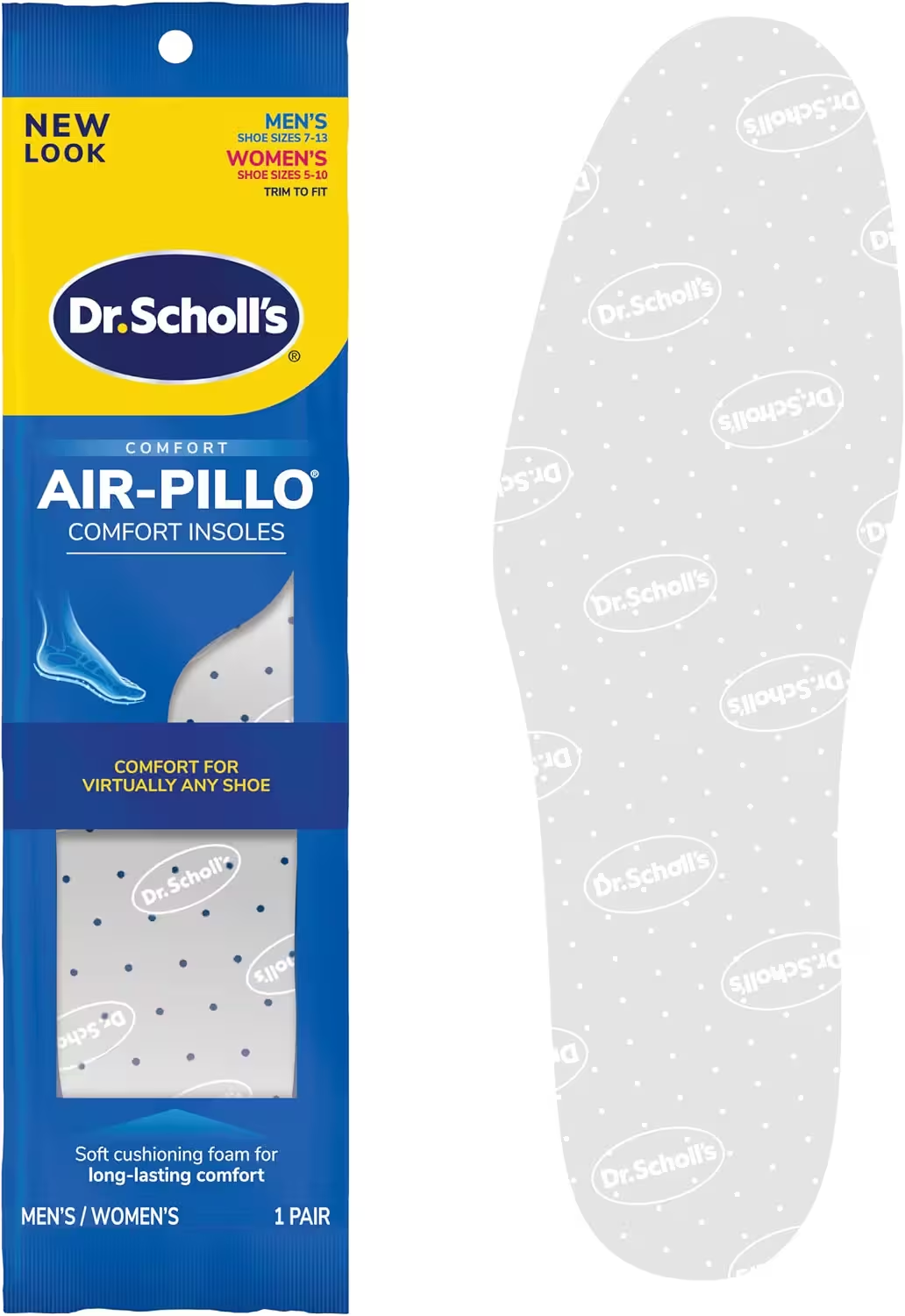
Dr. Scholl’s Air-Pillo Comfort Insoles
These trim-to-fit foam insoles add lightweight cushioning to adult costume boots, flats, and other shoes that have enough interior space. Cut them according to the included sizing guide, insert them before the event, and walk in the complete costume to make sure the shoes still fit securely.
Test Electronics Before the Event
Light-up masks, battery packs, fans, sound effects, and inflatable costumes should be tested in advance. Confirm that battery compartments close securely and do not become uncomfortably warm. Route wires so they cannot snag, press against the skin, or create a loop around the neck.
Bring spare batteries only when the product instructions allow user replacement, and store them so their terminals cannot touch metal objects. Inflatable costumes need a plan for bathroom breaks, sitting down, and moving through doors. Stop using any powered accessory that becomes hot, develops an unusual smell, or shows damaged wiring.
What About Halloween Costumes for Pets?
Pets need a separate costume check because clothing can affect their movement, vision, hearing, body temperature, and behavior. Choose a lightweight outfit that allows normal walking, sitting, breathing, and bathroom use, and never leave a costumed pet unattended. For more guidance, see how to dress your pet for Halloween, including tips for fit, gradual introductions, and signs that a cat or dog is uncomfortable.
Perform a Final Costume Check
Wear the complete costume for at least 15 minutes before the event—not just the main garment. Include the shoes, mask, wig, makeup, props, outerwear, lights, and treat bag.
Confirm that the wearer can:
- See clearly in front and to both sides
- Breathe, hear, speak, and move normally
- Walk on steps without catching the hem
- Sit down and use the restroom
- Remove the costume without assistance if necessary
- Remain comfortable in the expected temperature
Make adjustments before Halloween rather than relying on pins or improvised fixes at the door. Comfort and visibility rarely make a costume less convincing; they make it easier to enjoy for the entire night.